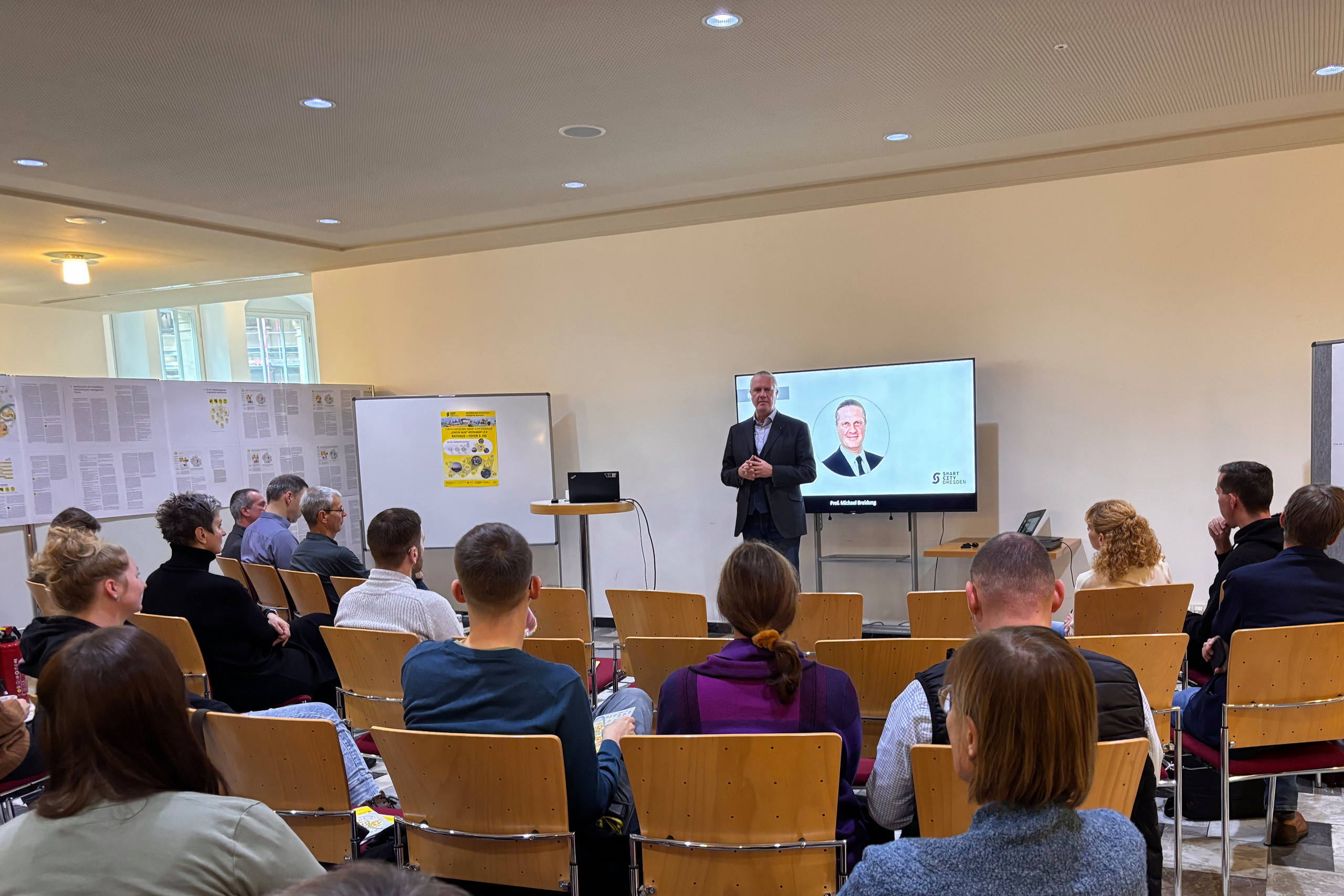
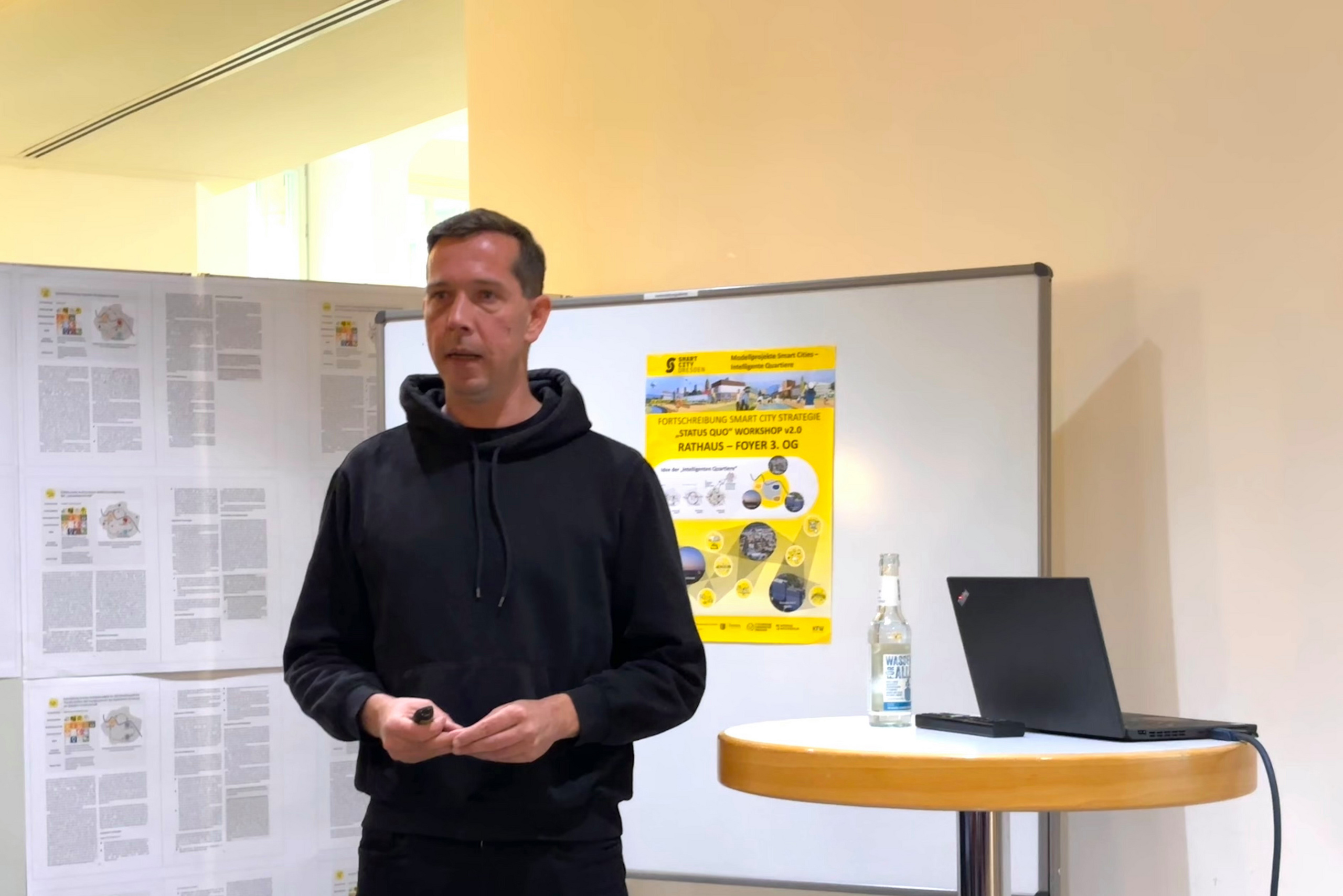
The update of the state capital's Smart-City strategy began with a joint workshop at Dresden City Hall. Around 40 employees from the city administration discussed current positions, future guidelines and requirements for sustainable digital urban development. The process is being scientifically supported by WISSENSARCHITEKTUR - Laboratory of Knowledge Architecture at TU Dresden.
Kick-off in the town hall: review and outlook
The "Status Quo" workshop marked the official starting point for the further development of the Smart-City strategy Dresden. The event was organized by the team from WISSENSARCHITEKTUR - Laboratory of Knowledge Architecture (TU Dresden), which is responsible for the scientific management of the model project Smart City Dresden (Smart City Research). The project is funded by the Federal Ministry of Housing, Urban Development and Building.
In addition to direct project partners from the city administration, managers also took part, contributing important perspectives on Smart City and digital urban development with their specialist knowledge.
At the beginning, the initiators of the funding application looked back on the development of the previous Smart-City strategy. This was developed over a period of around 18 months from 2022 and adopted by the city council in June 2023. The strategy document is available in a long and a short version.
Agile strategy development and continuation of the pilot project
Prof. Dr. Jörg Rainer Noennig, Head of WISSENSARCHITEKTUR - Laboratory of Knowledge Architecture, explained the methodological basis of the strategy development. An agile process model was used, which is based on the broad participation of stakeholders from administration, the population, business and science (quadruple helix model).
This approach provides for central interview and workshop formats to be carried out again at the end of the funding project in 2026. The strategy is to be updated based on the results - with the aim of fleshing it out further and systematically integrating the experience gained from the Dresden pilot project.
Dr. Michael Breidung, Head of IT Services, gave an outlook on the time after the funding ends. He posed the question of how the solutions developed in the pilot project can be permanently anchored and how Dresden can benefit from the growing pool of Smart-City solutions from the more than 70 pilot municipalities nationwide.
External guard rails and strategic embedding
In a keynote speech, Dr. Paul Stadelhofer (WISSENSARCHITEKTUR) outlined key external framework conditions for updating the strategy. Of particular importance is the close integration with the city's emerging digital strategy and the integrated urban development concept "Zukunft Dresden 2035+" (INSEK), which explicitly anchors Smart City as a future topic.
In addition, a systematic procedure for selecting and transferring suitable Smart-City applications must be developed. In view of the extensive databases of measures and solutions - for example in the context of the model projects Smart Cities, on platforms such as "Marktplatz Deutschland digital" or Open Code - practicable and quality-assured selection processes are needed for Dresden.
Political frameworks such as the nationwide Smart-City step-by-step plan also play a role here. They aim to strengthen the exchange of knowledge between municipalities and establish structures for long-term networking. For Dresden, Prof. Breidung and Prof. Noennig see a future "Smart City Hub" as a powerful organizational element within the administration to implement appropriate solutions together with the specialist departments.
Impact research and Smart-City-Radar
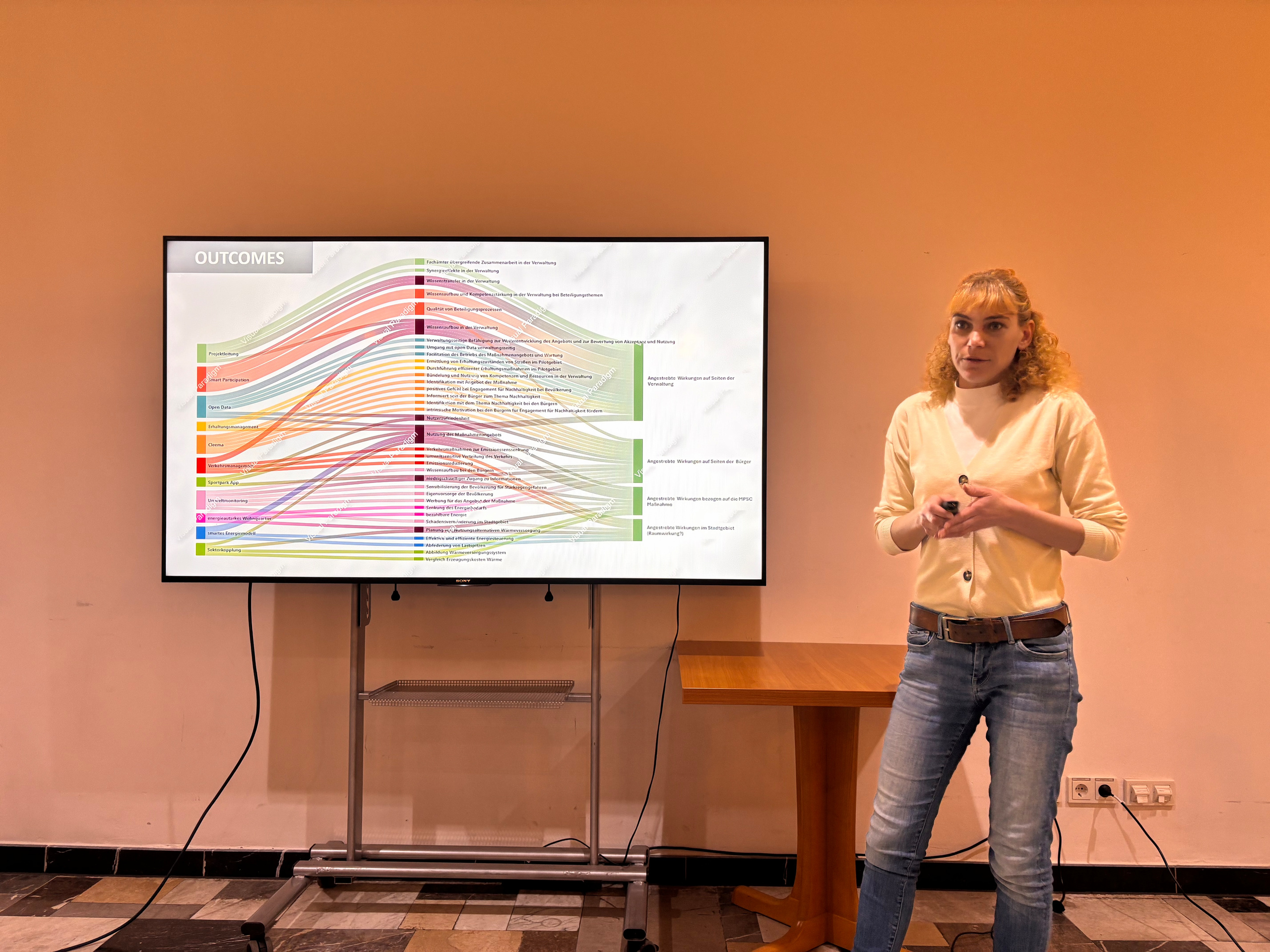
Nadine Reinhardt (WISSENSARCHITEKTUR) provided an insight into the accompanying impact research of the Dresden pilot project. Building on the input-output-outcome-impact model, she developed an impact-oriented analysis tool with a spatial and target group focus. This is currently being tested using specific measures from the model project. The results allow statements to be made about how individual measures correspond to the objectives of central Smart-City guideline documents and what effects are achieved for the urban area, administration, citizens and other stakeholders.
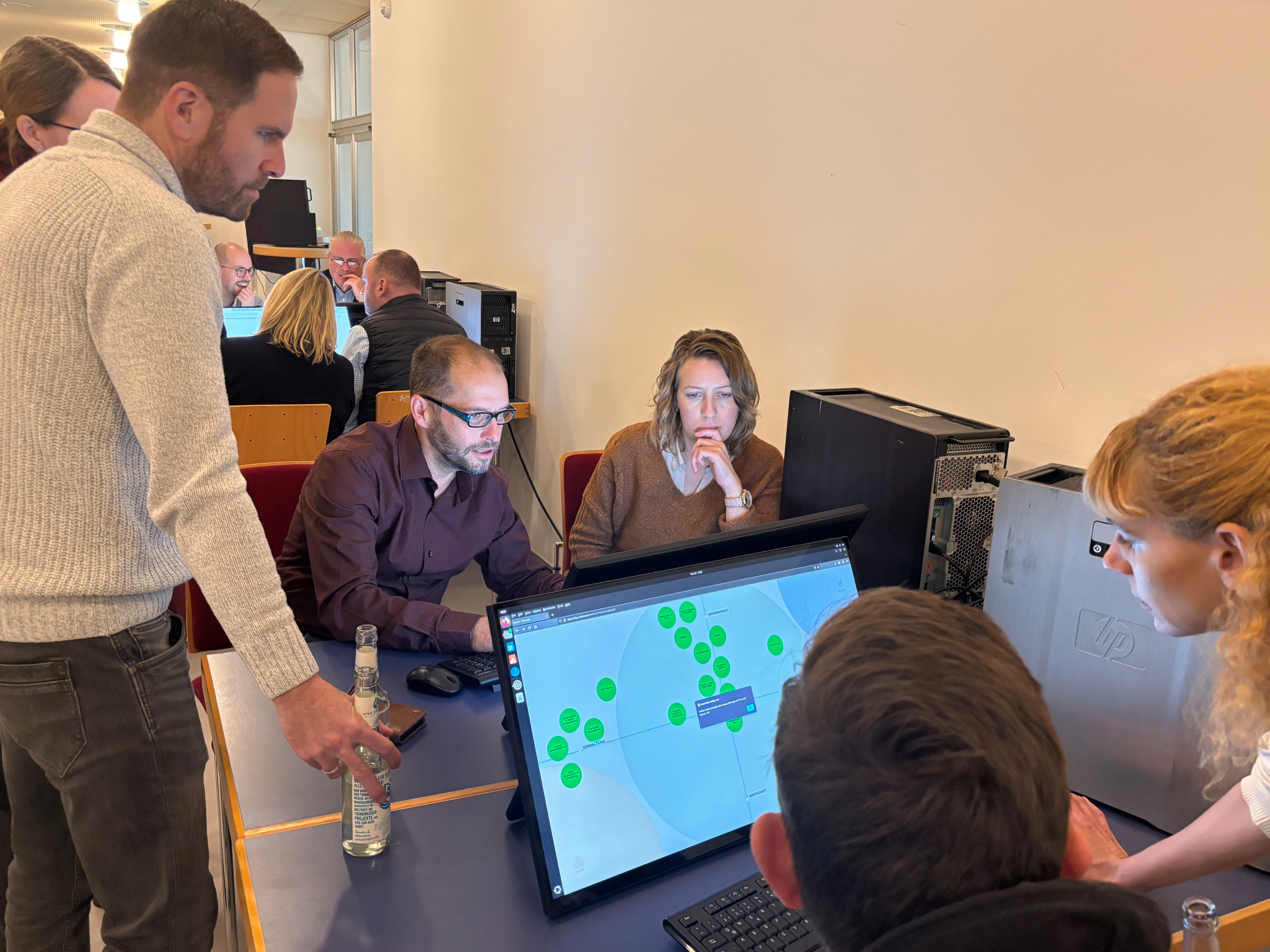
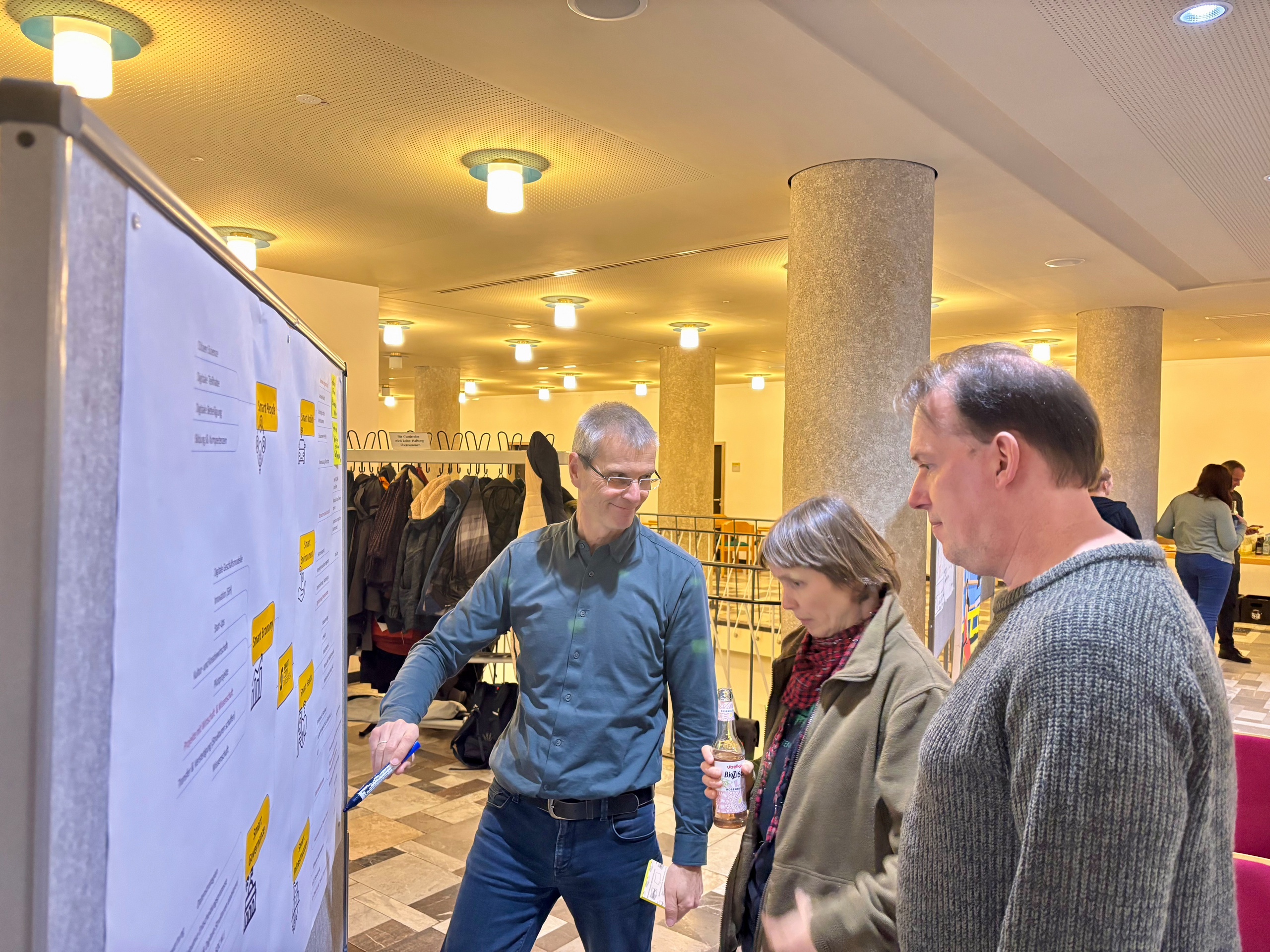
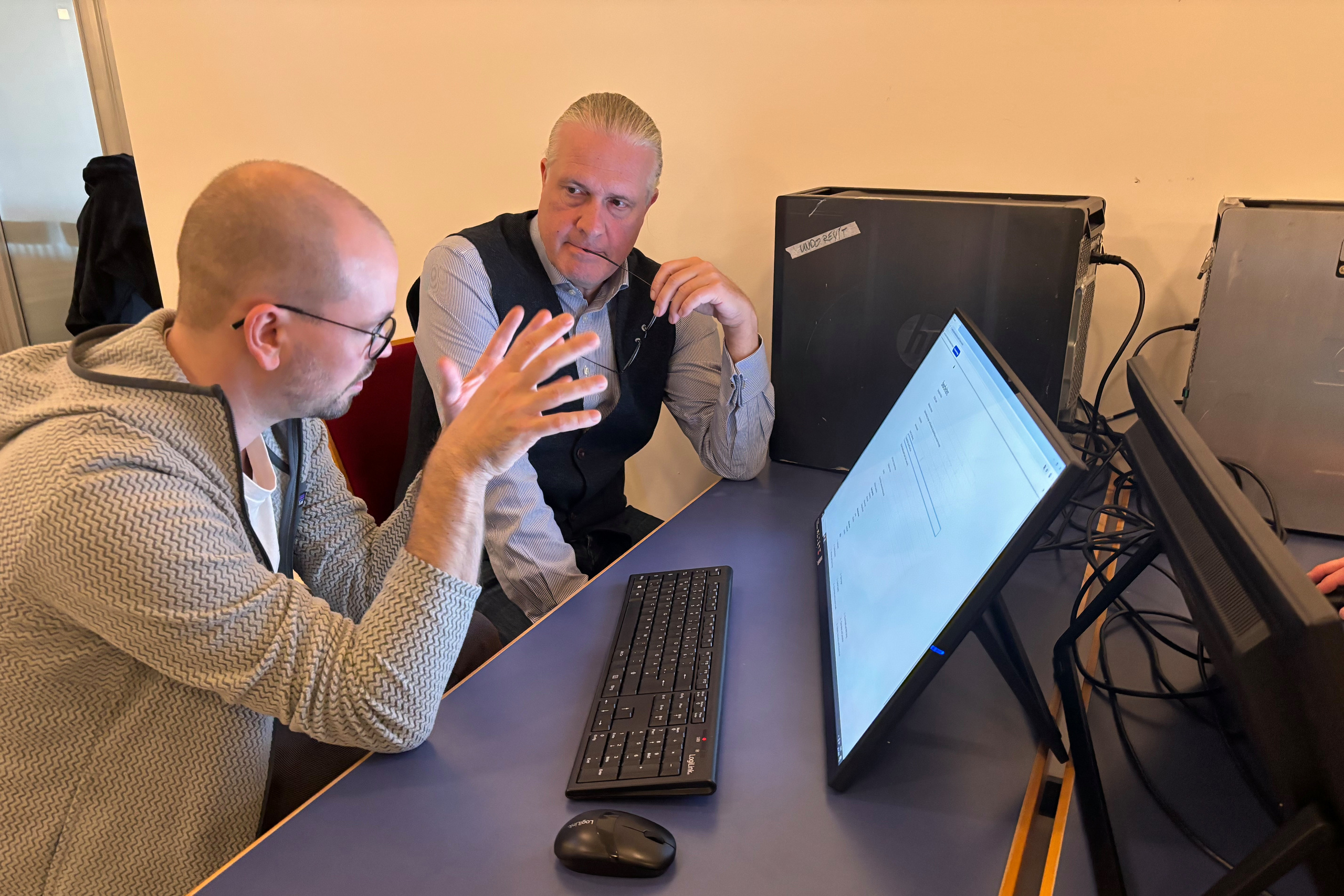
In the subsequent practical part, the participants entered their own projects in a so-called Smart-City radar. The interactive application, supervised by Anja Jannack and Sebastian Wiesenhütter (WISSENSARCHITEKTUR), records projects, topics and stakeholders in order to make the Smart-City landscape Dresdenvisible. In addition, Uwe Richter from the Office for Economic Development presented a cartography of economic Smart-City activities and developed it further together with the participants.
Discussion: Gaps, networking and communication
In the discussion on the question "What is missing from the strategy?", the participants confirmed the relevance of the priorities set to date. At the same time, further development needs were identified: greater cooperation between the specialist departments, better dovetailing of existing individual strategies and needs-based decisions on the use of data and resources.
Communication was also a key issue. Both political decision-makers and the Dresden population need to be able to clearly understand the added value and the overarching vision of a sustainable Smart City "Only sensors make no sense," Prof. Noennig put this claim in a nutshell. Dr. Breidung added: "We can equip Prager Strasse with sensors, for example. That's the technical side. But only then does it get exciting. How do we design our Smart City with the data collected there? We need a vision for that."