DymoBat
AI-assisted communication technologies for dynamic optimization of mobility and energy storage for frequency stabilization and energy supply

Copyright©
Albrecht Voss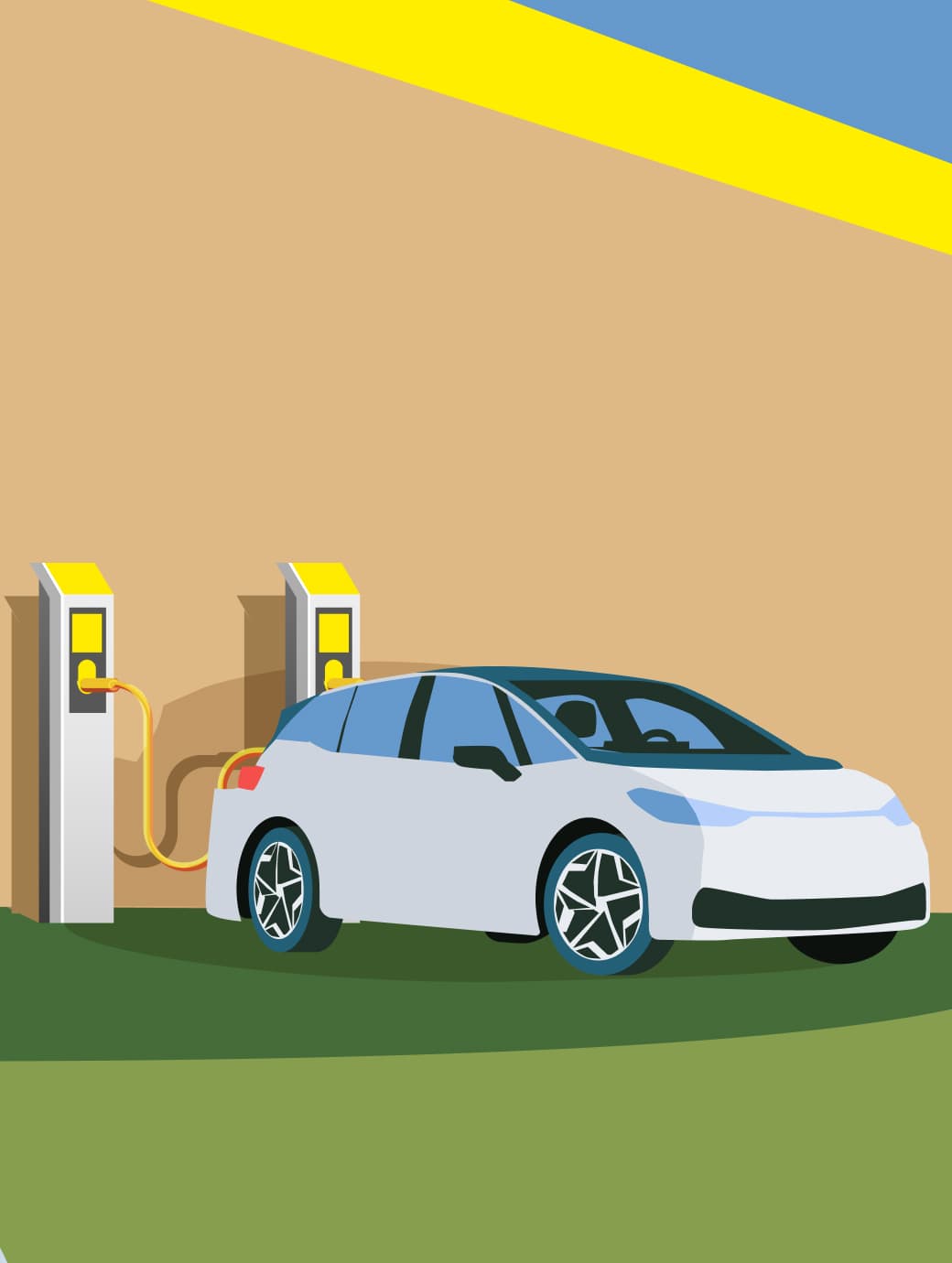
AI-assisted communication technologies for dynamic optimization of mobility and energy storage for frequency stabilization and energy supply
DymoBat is an innovative research project driving the future of energy and mobility transition in Dresden. As a satellite project of the National 5G Energy Hub (N5GEH), DymoBat explores and tests how bidirectional charging of electric vehicles can enhance grid stability and efficiency.
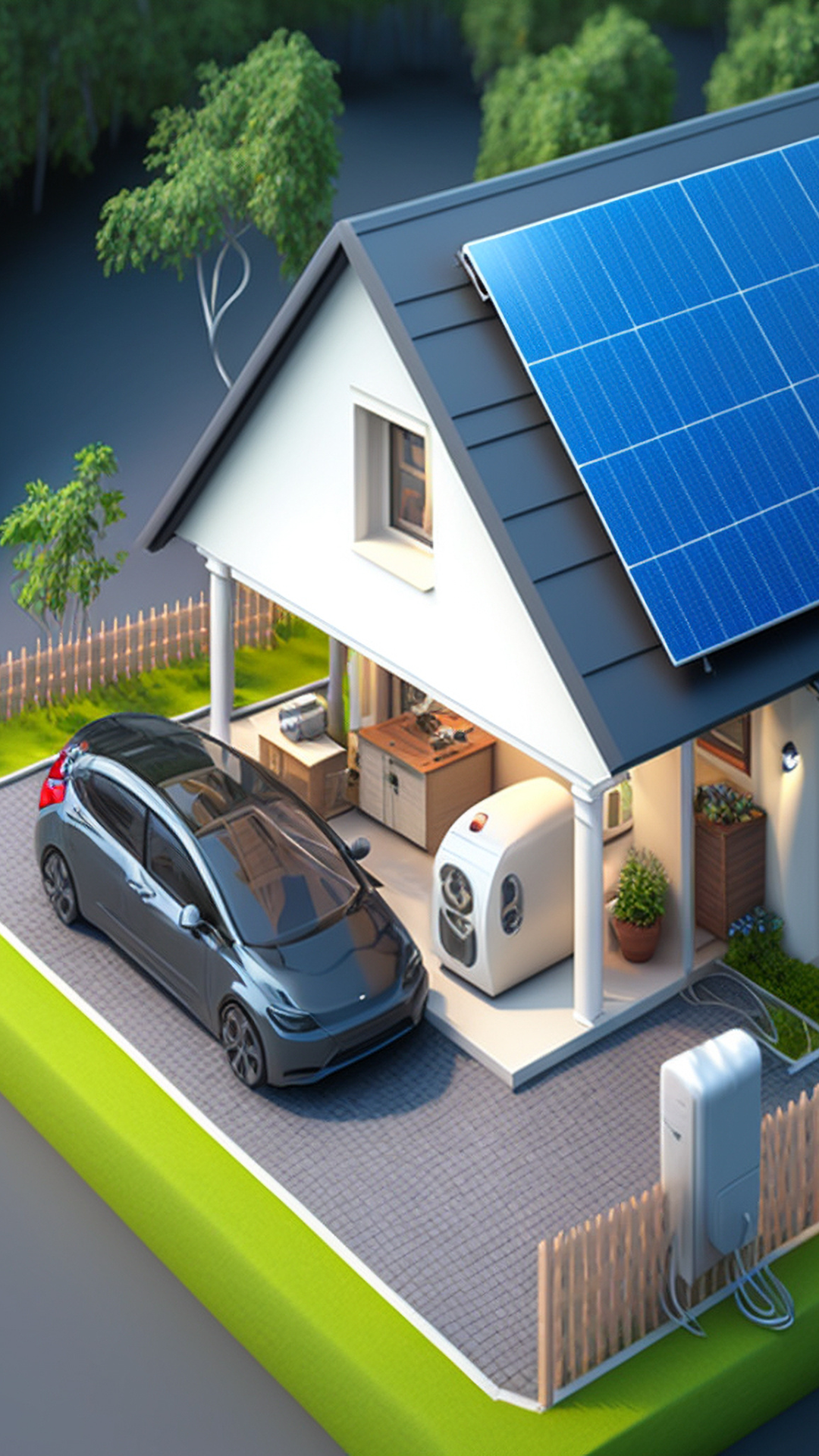
By intelligently connecting electric vehicles, battery storage systems, and the power grid, the project leverages 5G technology and artificial intelligence to optimize charging processes. This enables better integration of renewable energy sources and the flexible distribution of electricity between vehicles, households, and businesses. Through these advancements, electromobility not only supports emission-free transportation but also plays a crucial role in ensuring grid stability and energy security.
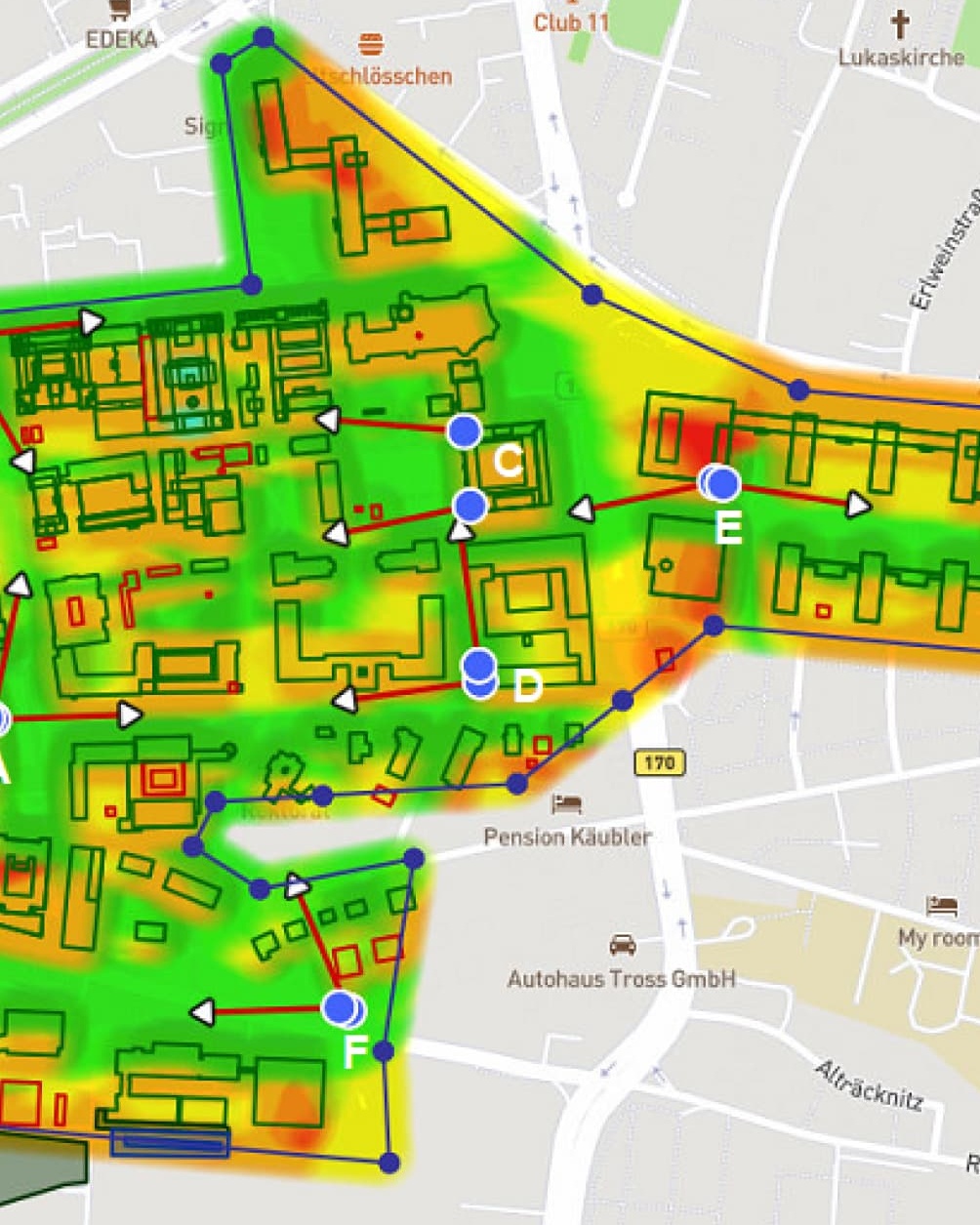
The DymoBat testbed provides a real-world environment for researching bidirectional charging strategies across multiple locations in Dresden. These sites serve as innovation hubs where advanced energy management technologies are tested to explore how electric vehicles can act as mobile electricity storage units, stabilizing the grid and maximizing self-consumption of renewable energy. By interconnecting these test environments, DymoBat creates a low-latency platform for optimizing energy structures. Leveraging 5G communication, artificial intelligence, and decentralized energy sources, the project helps balance load peaks, enhance energy security, and actively engage businesses and citizens in shaping the future energy system.
Through these efforts, DymoBat contributes to sustainable urban development, positioning Dresden as a model city for intelligent energy and mobility solutions.

ComNets | Deutsche Telekom Chair of Communication Networks develops AI-supported algorithms to optimize energy flows between vehicles, the grid and storage systems.

SAP develops digital platforms and data analyses to optimize energy management and integrate electric vehicles.

Meshmerize researches and implements wireless 5G-based communication solutions for reliable control of bidirectional charging processes.
CampusGenius contributes expertise in the field of private 5G networks to ensure secure and high-performance networking of the charging infrastructure.
SachsenNetze GmbH develops strategies for grid stabilization through intelligent control of electricity flows from bidirectional charging processes.

SachsenEnergie AG provides the infrastructure for bidirectional charging and integrates the solutions into the municipal energy grid.

ComfortCharge operates charging infrastructure and is testing the integration of fast-charging stations with bidirectional functionality.