
Traffic management system
Development of multimodal traffic management for the area of environmental sensitivity

Copyright©
AdobeStock l ArTo
Development of multimodal traffic management for the area of environmental sensitivity
The traffic management project aims to manage traffic in Dresden in an environmentally friendly way in order to improve the quality of life in the city. As many residential areas are located in the city center and it is not possible to reroute traffic, a comprehensive approach is being developed that combines traffic and environmental data. The result is a modern traffic management system that creates innovative solutions through cross-departmental cooperation.
The aim of traffic management is to specifically reduce traffic and environmental pollution in Dresden by developing an urban air quality index that is used for efficient traffic management. This system enables sustainable control of traffic flow and improves air quality and the urban climate in heavily polluted neighborhoods through targeted measures.


The city's new traffic management system Dresden aims to efficiently control the flow of traffic in the city and minimize congestion times. Environmentally friendly and data-based traffic management not only improves mobility, but also reduces environmental pollution, which ultimately contributes to a better quality of air and life.

The project combines traffic and environmental data to sustainably promote mobility and quality of life in Dresden. By introducing an air quality index and the targeted management of traffic in polluted areas, harmful emissions can be reduced in a targeted manner and air quality improved in the long term.

The new traffic management system also focuses on increasing road safety for the population. Special consideration is given to vulnerable road users such as pedestrians and cyclists, who are to be better protected by innovative technologies.

Interactive platforms and citizen participation ensure that the people of Dresden are informed about traffic and environmental pollution and can actively contribute their experiences and suggestions. Access to current traffic data provides road users with a transparent basis for their mobility decisions.

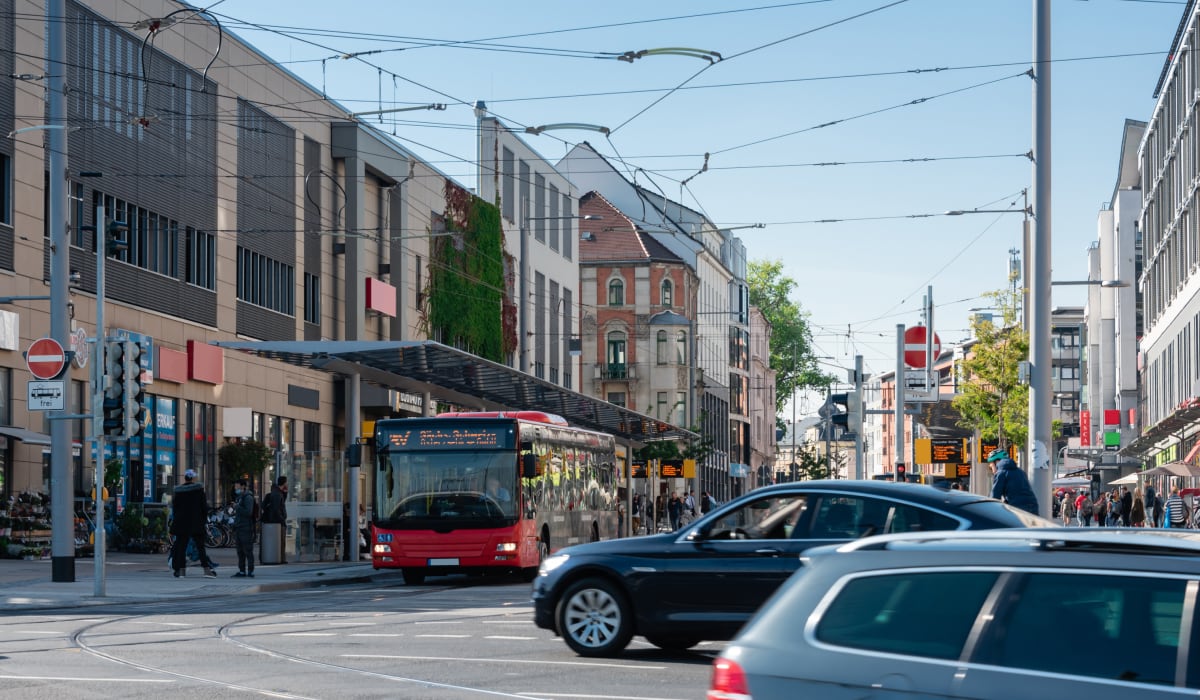
The traffic management project brings direct benefits to companies in Dresden through improved traffic management and optimized main traffic routes. More efficient and less congested routes facilitate the planning and execution of deliveries and transportation, reduce operating costs and make Dresden a more attractive business location. At the same time, the project contributes to a more environmentally friendly cityscape, which strengthens the region as a future-oriented and sustainable location.

Through sustainable traffic management, the project opens up new opportunities for companies to use low-emission and environmentally friendly transport routes and achieve sustainability goals more quickly. Companies can thus position themselves as pioneers for sustainable business and at the same time establish new partnerships and collaborations in the field of environmentally conscious mobility, making Dresden a model location.
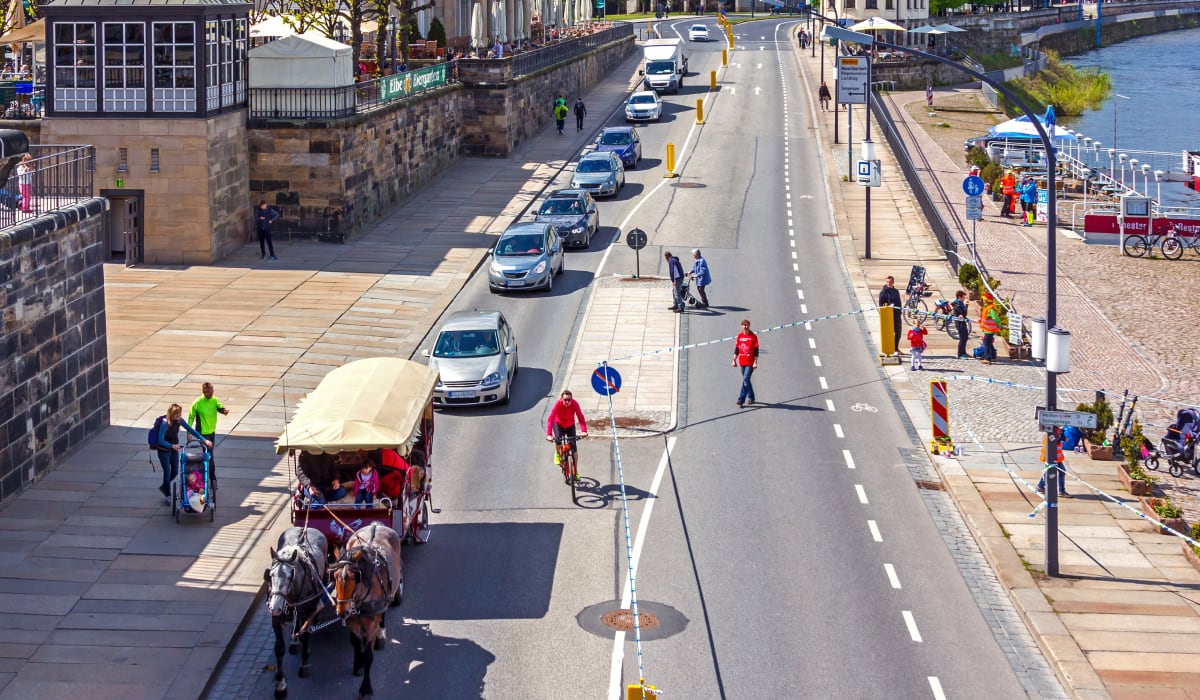
Companies can actively contribute to the success of the project by participating in data exchange and the development of smarttraffic control solutions. The city of Dresden invites the business community to participate in the projects, through which companies can, for example, provide feedback on traffic control measures or be involved in the development of digital traffic platforms in order to optimally implement the specific requirements of the business community.
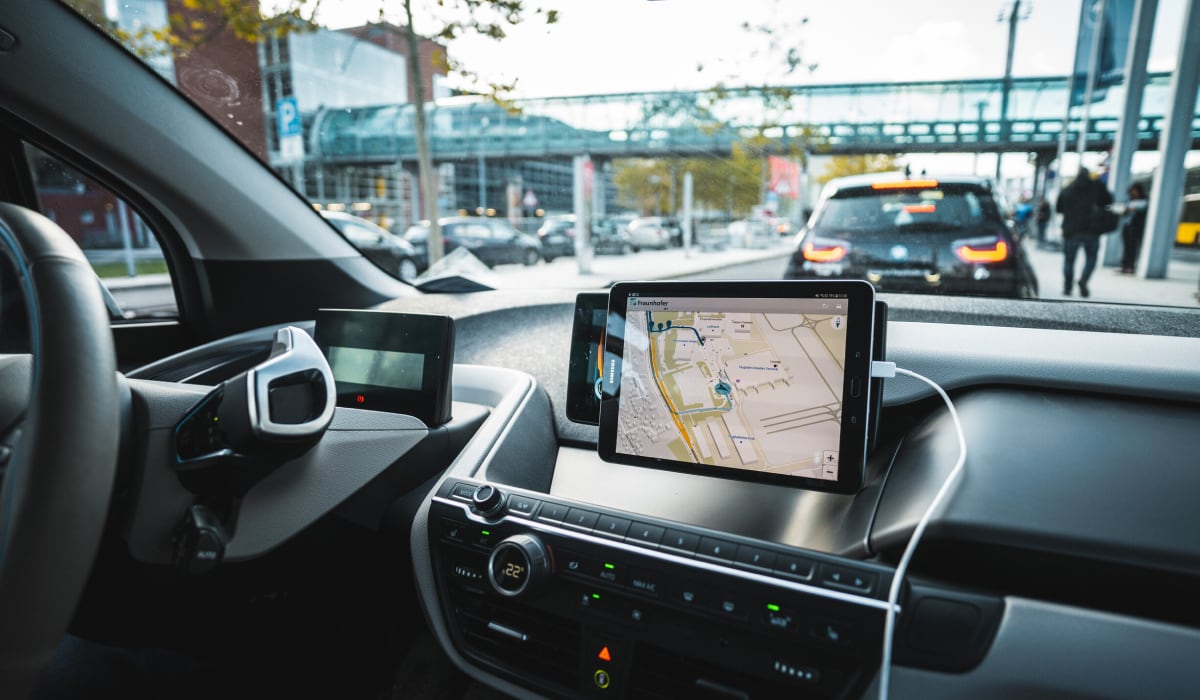
The new traffic management system gives companies access to real-time traffic data and forecasts, making transportation and deliveries more flexible and easier to plan. The reduction of traffic jams and optimized main traffic routes lead to lower logistics costs and enable efficient, environmentally friendly management of supply chains, which also strengthens the sustainable image of companies.
